De-Risking the Core: Expert Strategies for Bridging RPG to Modern Architecture with AS400 Modernization
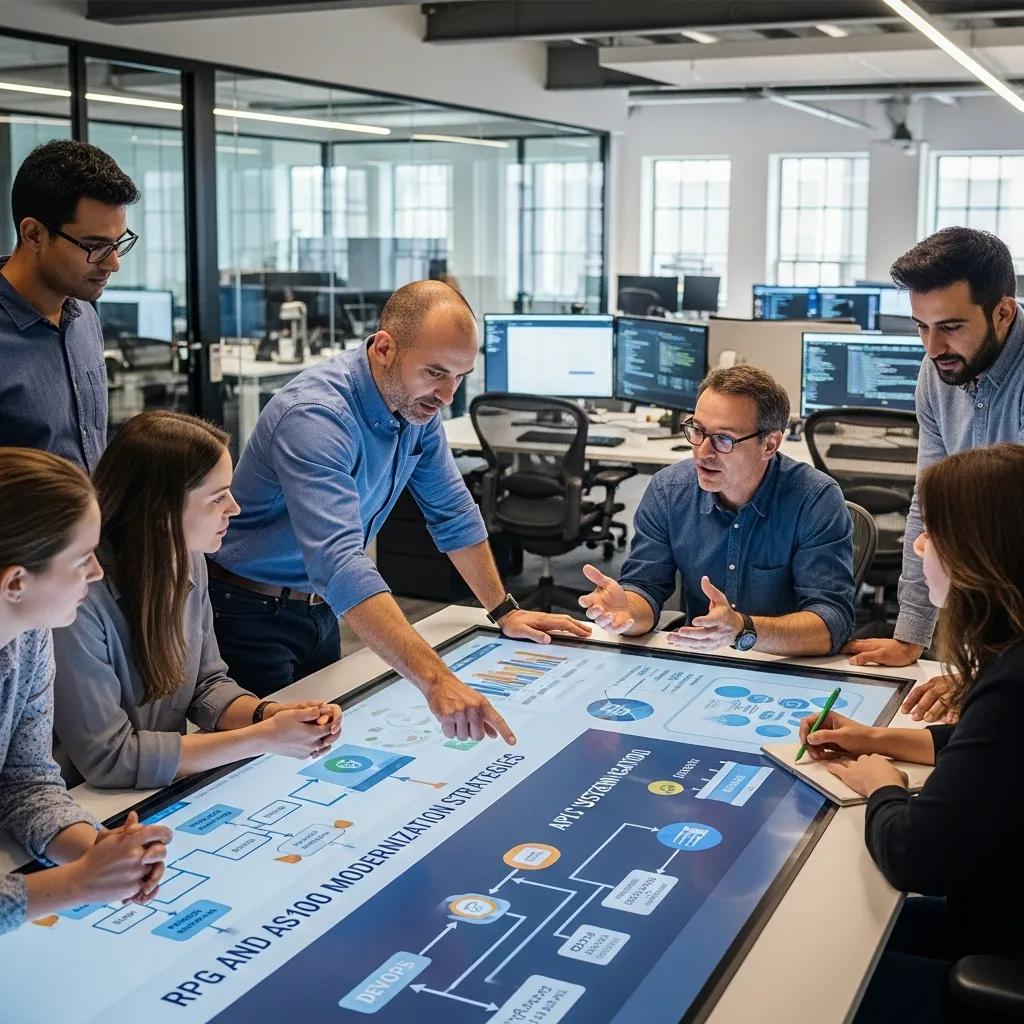
Organizations running RPG and AS400 cores must modernize to stay efficient and relevant. This article gives strategies to de‑risk those systems, outlines key challenges and best practices, and reviews risks tied to legacy RPG and AS400 platforms so organizations can bridge outdated architectures to modern solutions.
Modernization affects business continuity and scalability. We cover transition complexities—compliance and data‑privacy—and explain how deterministic RPG transpilers support code conversion. The article also shows how AI migration tools can lower migration risk.
Key Challenges

Modernizing legacy systems presents several challenges organizations must manage. These include:
- Integration Complexities: Legacy systems often operate in silos, making it difficult to integrate with modern applications and platforms.
- Skills Gaps: There is a shortage of professionals skilled in both legacy technologies and modern programming languages, complicating the migration process.
- Resistance to Change: Employees accustomed to legacy systems may resist adopting new technologies, hindering modernization efforts.
Addressing these needs requires a thorough infrastructure assessment and a clear migration strategy. Golden Path Digital offers AI-enabled transformation and tailored IBM i and RPG solutions to help organizations overcome these hurdles.
Best Practices
To successfully modernize legacy systems, organizations should adopt the following best practices:
Research reinforces the need for well‑defined strategies and practical best practices to navigate legacy application modernization.
Strategies & Best Practices for Legacy Application Modernization
This research examines the obstacles organizations encounter during legacy application modernization. It analyzes the primary motivations for modernization, details associated challenges, and recommends strategies and best practices to mitigate those issues.
Navigating the modernization of legacy applications and data: Effective strategies and best practices, D Eswararaj, 2023
- Thorough Assessments of Existing Systems: Conducting a detailed analysis of current systems helps identify critical components that need modernization.
- Comprehensive Migration Strategy: Developing a clear roadmap for migration ensures that all stakeholders are aligned and that the process is executed smoothly.
- Engagement of Stakeholders: Involving key stakeholders throughout the modernization process fosters buy-in and reduces resistance to change.
Implementing these practices helps organizations manage modernization. Golden Path Digital’s AI and transformation expertise can augment efforts and provide tools to bridge RPG systems to modern architectures.
What Are the Key Risks in Legacy RPG and AS400 Systems?
Legacy RPG and AS400 systems create risks that threaten operational integrity. These include:
Government and industry analyses consistently identify significant risks associated with maintaining critical legacy IT systems, including those that rely on older programming languages.
Risks and Modernization Plans for Critical Legacy IT Systems
In June 2019, GAO identified 10 critical federal information technology (IT) legacy systems that required modernization. These systems supported agency missions, ranged from about 8 to 51 years old, and collectively cost approximately $337 million annually to operate and maintain. Several systems used older languages, such as Common Business Oriented Language (COBOL). GAO reported risks including rising procurement and operating costs and a decline in availability of personnel with the appropriate skill sets. Additionally, several systems operated with known security vulnerabilities and unsupported hardware and software.
Information Technology: Agencies Need to Develop and Implement Modernization Plans for Critical Legacy Systems, K Walsh, 2021
- Security Risks: Outdated systems are often vulnerable to cyber threats, making them a target for attacks.
- Data Integrity Issues: Legacy systems may not comply with current data management standards, leading to potential data loss or corruption.
- High Maintenance Costs: Maintaining outdated systems can be costly, diverting resources from innovation and growth.
Understanding these risks helps organizations take proactive mitigation steps.
How Do Legacy Systems Impact Business Continuity and Scalability?
Legacy systems can impede business continuity and scalability. Major impacts include:
- Dependency on Aging Talent: Organizations often rely on a dwindling pool of professionals who understand legacy systems, creating a knowledge gap.
- System Downtime: Outdated systems are more prone to failures, leading to increased downtime and lost productivity.
- Limited Integration Capabilities: Legacy systems struggle to integrate with modern applications, limiting an organization’s ability to scale operations effectively.
Addressing these issues is essential for competitiveness. Targeted modernization reduces downtime, closes knowledge gaps, and enables scalable integration so businesses can adapt and grow.
What Compliance and Data Privacy Challenges Arise from Outdated Architectures?
Outdated architectures present compliance and data‑privacy challenges, such as:
- Regulatory Compliance Risks: Legacy systems may not meet current regulatory standards, exposing organizations to legal liabilities.
- Data Security Vulnerabilities: Older systems often lack the security features necessary to protect sensitive data, increasing the risk of breaches.
- Loss of Institutional Knowledge: As experienced personnel retire, organizations may lose critical knowledge about legacy systems, complicating compliance efforts.
Organizations must prioritize modernization to address these challenges and meet evolving regulations.
How Do RPG Transpiler Technologies Facilitate Seamless Code Conversion?
RPG transpiler technologies enable deterministic analysis of existing RPG code and convert it into modern languages such as Java. The process typically involves:
- AI Generation: Advanced algorithms generate equivalent code in the target language, preserving the original logic and functionality.
- Human Review Process: After automated conversion, human experts review the code to ensure accuracy and performance.
Combining automated conversion with human review reduces migration risk and helps preserve application logic and performance, making it a practical approach for modernizing RPG applications.
What Are the Benefits of AI-Powered RPG to Java Migration Tools?
AI-powered RPG-to-Java migration tools provide benefits that improve modernization outcomes:
- Incremental Migration: These tools allow for gradual migration, minimizing disruption to ongoing operations.
- Deep Dependency Mapping: AI tools can analyze code dependencies, ensuring that all related components are addressed during migration.
- Cost Efficiency: By automating much of the migration process, organizations can reduce labor costs and accelerate timelines.
These advantages make AI-powered tools a practical option for efficient, low‑disruption modernization.
How Does Automated Code Conversion Reduce Migration Risks?
Automated code conversion mitigates migration risk through multiple mechanisms:
Automated migration frameworks are designed to structure and standardize modernization activities, which reduces complexity and inherent risk.
Automated Migration Frameworks for De-Risking Enterprise Modernization
Enterprise organizations operate large portfolios of legacy applications that have accumulated over many years of incremental change, technology shifts, and organizational restructuring. These systems frequently run on outdated platforms, rely on obsolete middleware, and embed business rules that are poorly documented yet operationally critical. Modernization initiatives seek to migrate such applications toward more modular architectures, cloud platforms, and automated delivery practices, but these efforts are often perceived as complex and risky because they impact many technical layers and organizational processes at once. In response, automated migration frameworks have emerged that aim to structure discovery, analysis, transformation, and verification activities through standardized tooling and repeatable pipelines. This paper examines the extent to which such frameworks influence complexity and risk profiles in enterprise modernization efforts.
Assessing the Impact of Automated Migration Frameworks on Reducing Complexity and Risk in Enterprise Modernization Efforts, 2025
- Deterministic Parsing: Automated tools analyze code with precision, reducing the likelihood of errors during conversion.
- Incremental Conversion: Organizations can migrate components in stages, allowing for testing and validation at each step.
- Human Review: The inclusion of human oversight ensures that any potential issues are identified and addressed before deployment.
Leveraging automated conversion improves the reliability of modernization initiatives and supports smoother transitions to modern architectures.
Frequently Asked Questions
What is the role of stakeholder engagement in the modernization process?
Stakeholder engagement is essential. Involving IT staff, management, and end users captures practical insights and surfaces concerns early. This collaboration builds buy-in, reduces resistance, and helps ensure the modernization strategy aligns with organizational needs.
How can organizations assess the readiness of their legacy systems for modernization?
Assess readiness with a structured evaluation: review system performance, identify critical components for update, verify documentation, and evaluate workforce skills. Use these findings to craft a prioritized modernization roadmap.
What are the potential costs associated with maintaining legacy RPG and AS400 systems?
Maintaining legacy RPG and AS400 systems can be costly due to outdated hardware and software, specialised support needs, and limited talent. Failures risk downtime and lost productivity. Modernization can reduce recurring costs and free resources for strategic initiatives.
What strategies can help overcome resistance to change during modernization?
To overcome resistance, communicate clear benefits, provide training and hands-on support, and involve employees in decisions. These actions increase confidence, foster ownership, and promote adaptability.
How do compliance requirements influence the modernization of legacy systems?
Compliance requirements shape modernization priorities. Legacy systems may not meet current data‑protection laws, industry standards, or security protocols, creating legal exposure. Embedding compliance into modernization plans mitigates regulatory risk and protects sensitive data.
What are the advantages of using AI in the modernization of legacy systems?
AI accelerates modernization by automating code conversion and mapping dependencies, reducing manual effort and timelines. It also surfaces insights into system performance and risk, enabling more informed decisions and a more efficient, cost‑effective modernization process.